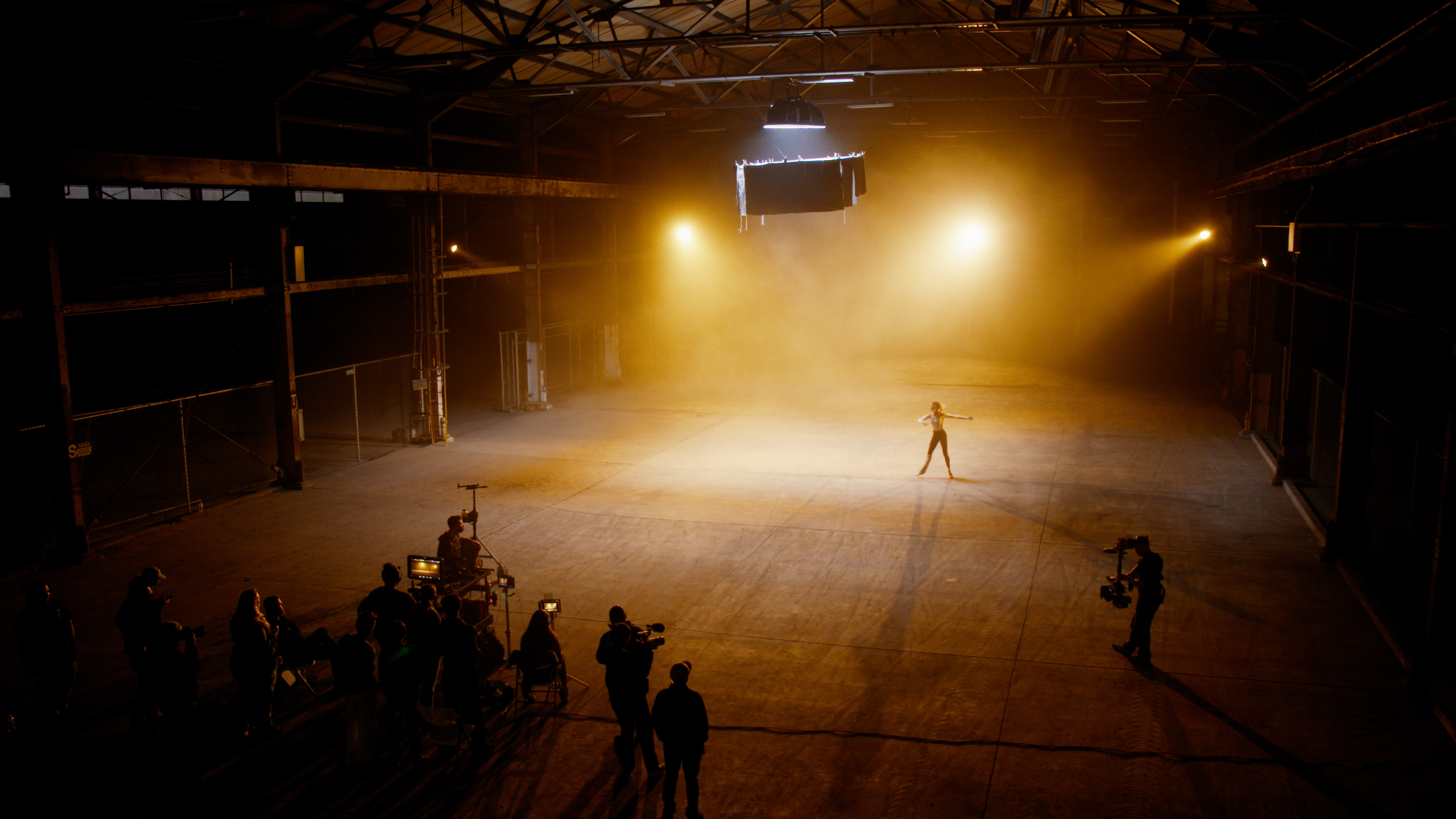


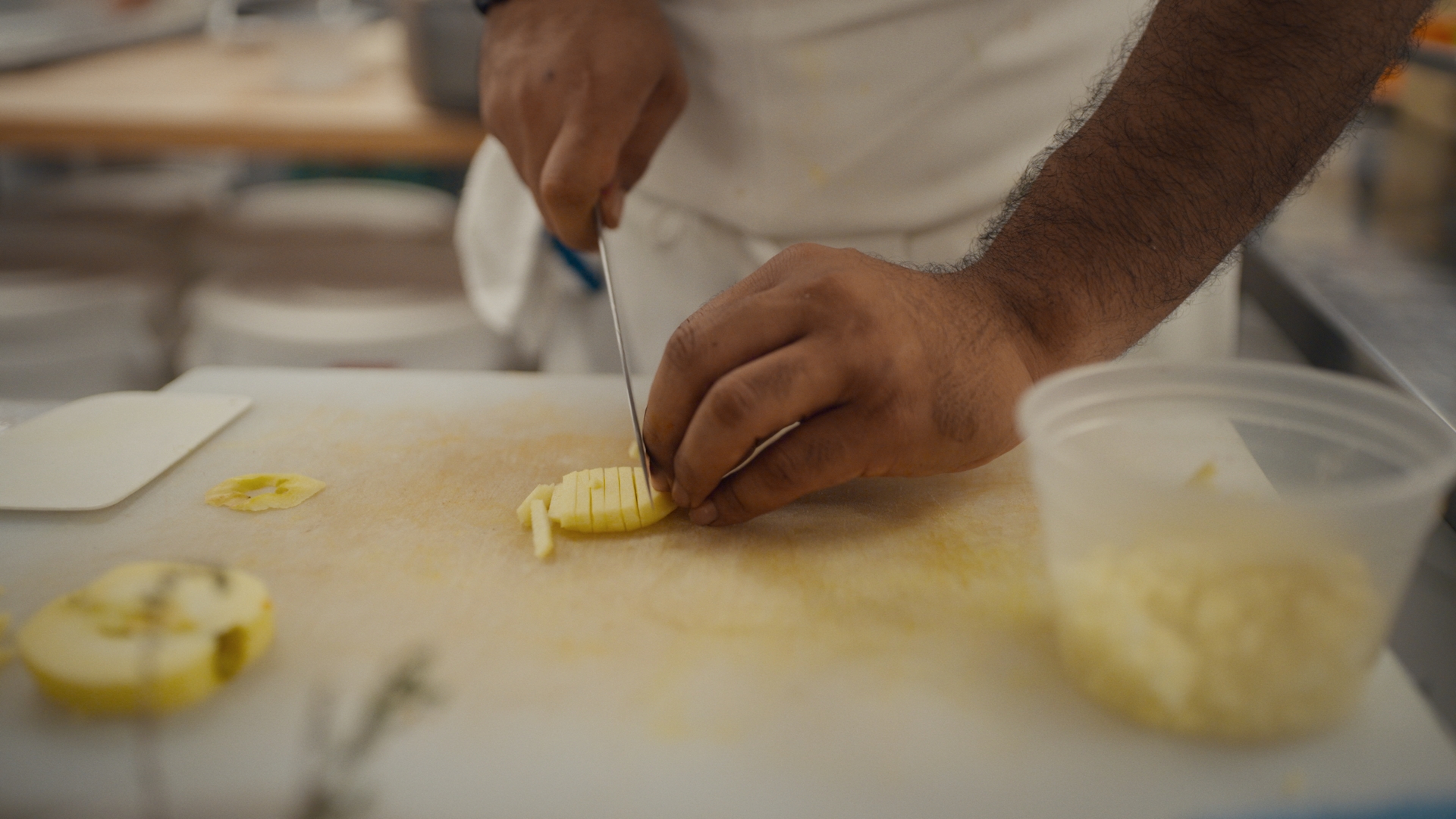
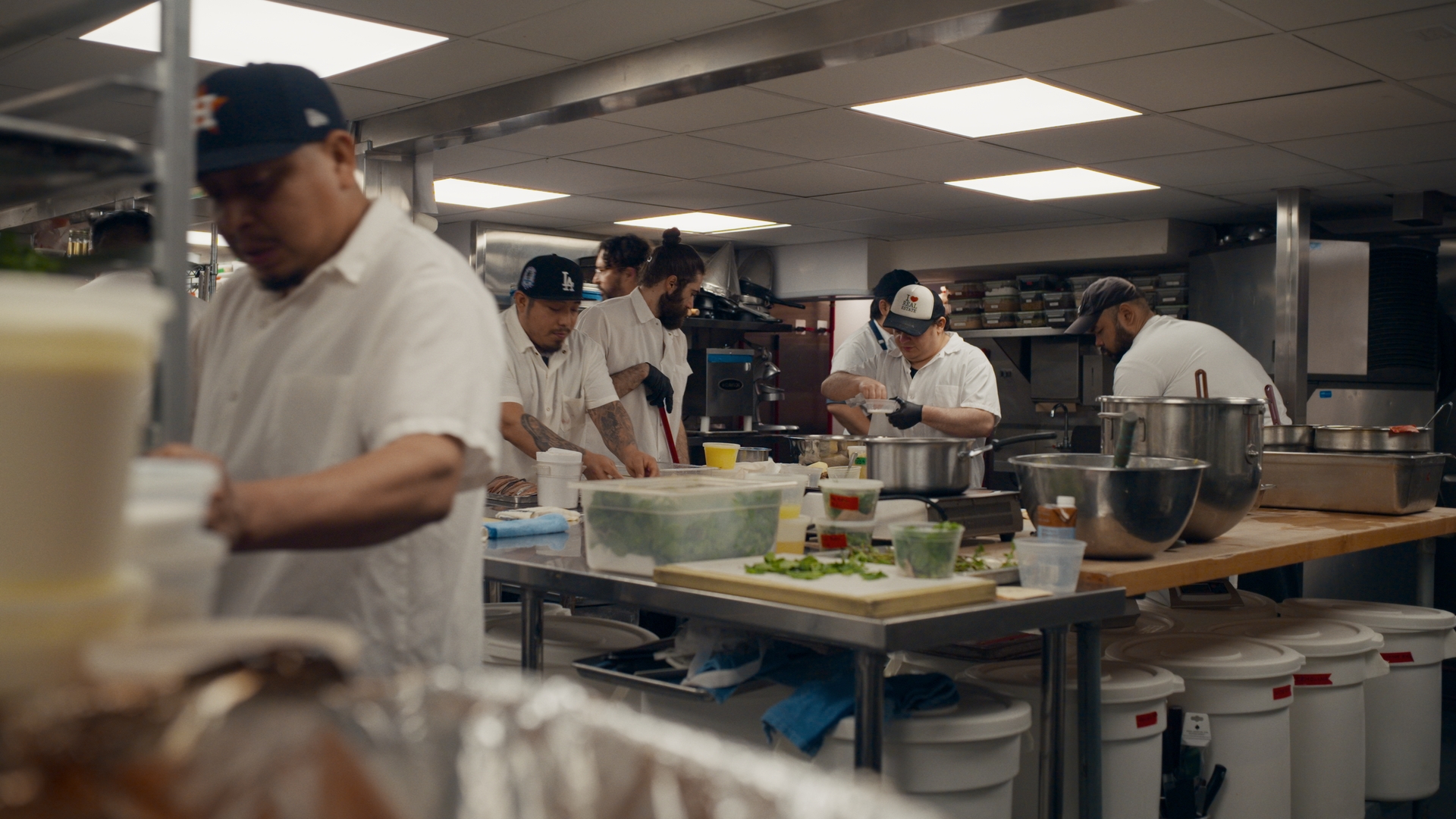
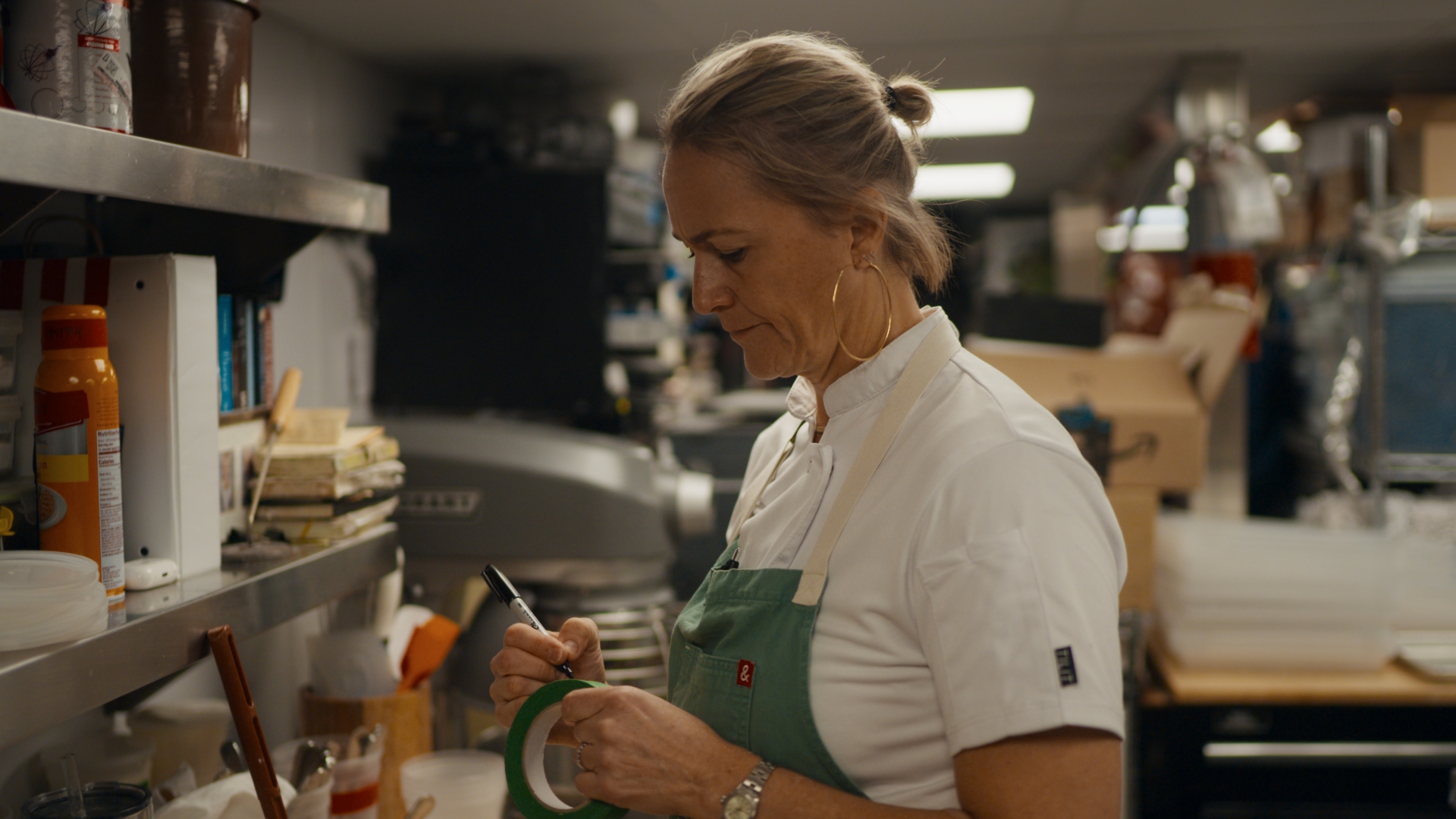

A restaurant during service is not a film set.
The kitchen at Rich Table is small. The dining room fills fast. The team has one job, and it isn't accommodating a camera crew. Filming there meant fitting into a space that wasn't designed for us. No staging. No second setups. Just moments that weren't going to repeat.
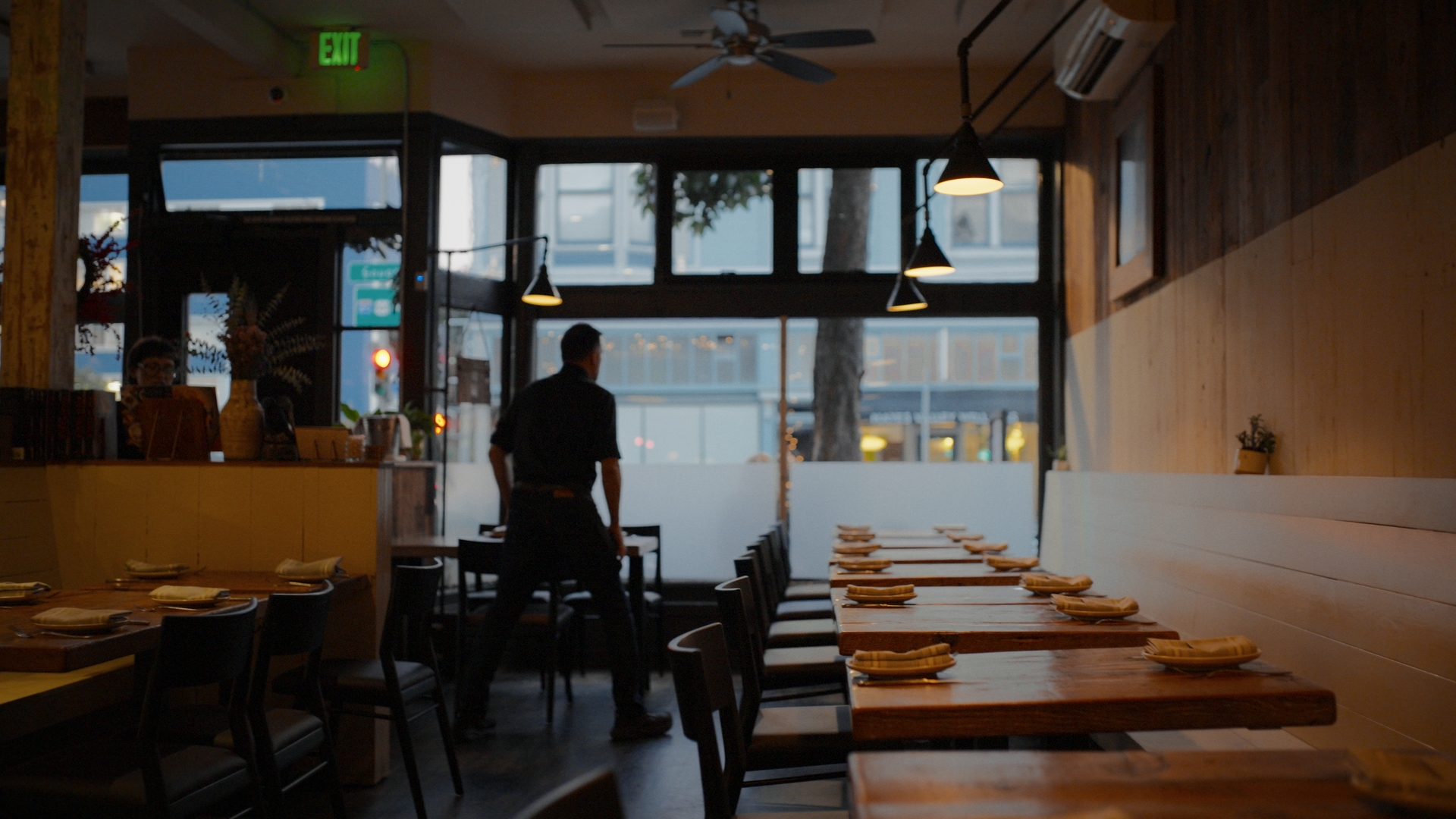
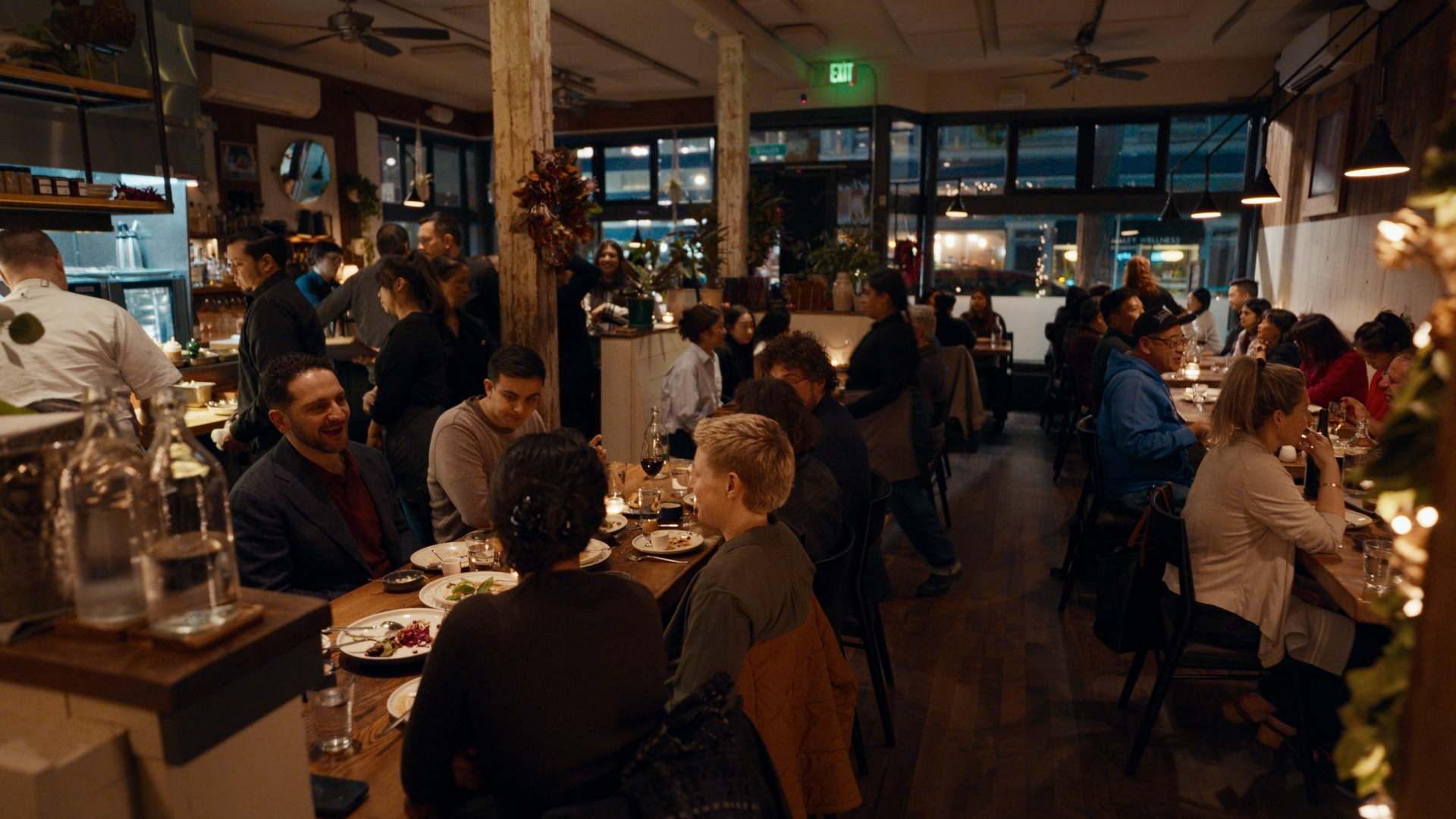
We shot with six lavalier mics and no lighting equipment. The restaurant you see in the film looks the way it looks because that's how it actually looks. We made small adjustments to the interior lighting, but nothing that would change the room. The moment you add a light stand to a kitchen line, you've altered what you came to document.
The crew was small and had to be. Four people on the first shoot day, two on the second. Everyone covering multiple roles. The technical side was manageable. The harder part was time. Being present long enough, and quietly enough, that people stopped tracking where we were. By the second day at Rich Table, that had happened. That's when the real footage starts.
For OpenTable, the ask was clear: something that would resonate with restaurant operators who know exactly how hard it is to maintain quality across locations. Not a beautiful restaurant film. A film about how the work actually gets done.
We built the story around a three-act structure that mirrors how the Rich Table team actually works.
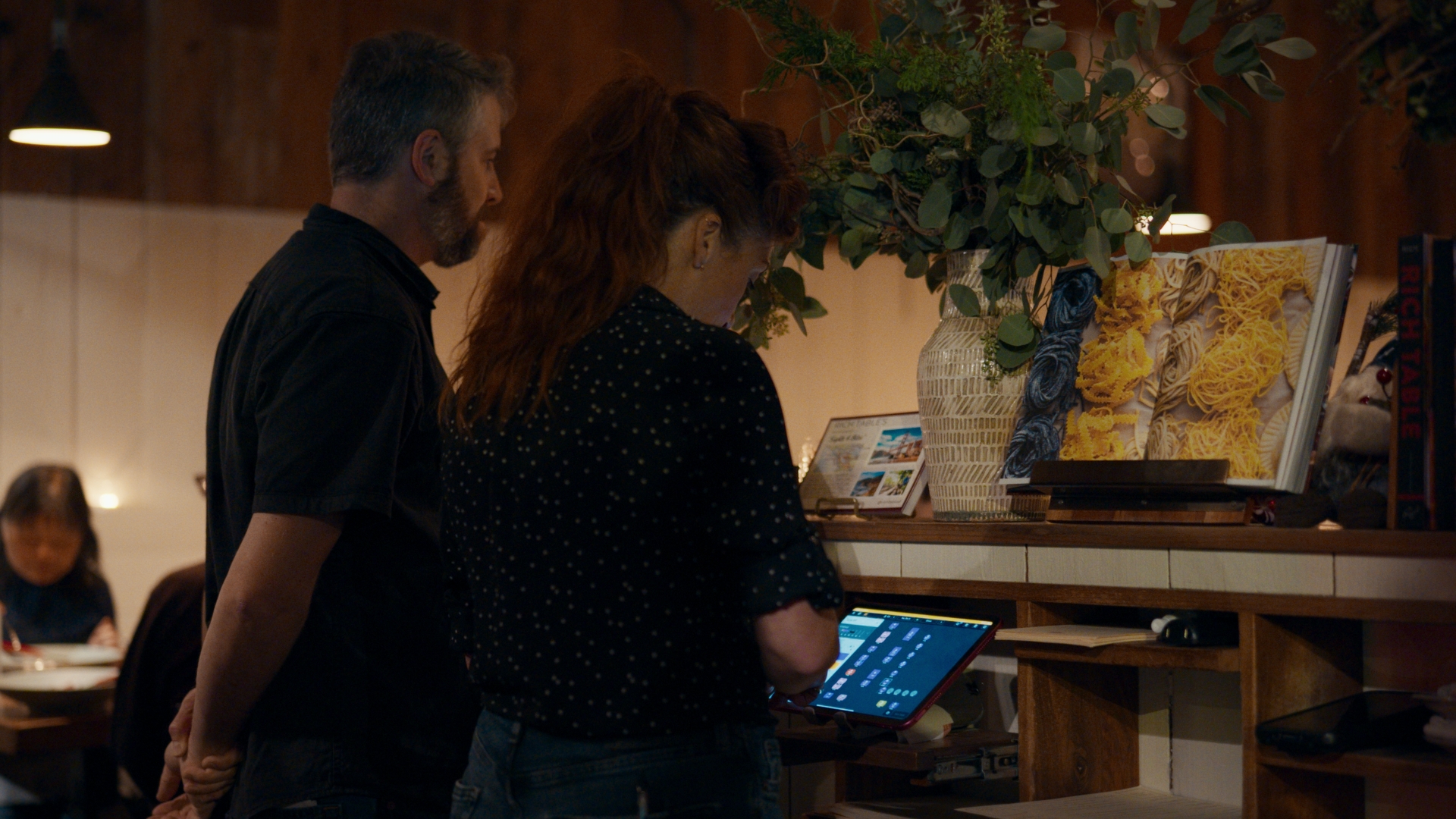
Act 1 establishes the standard at the original Rich Table location. Kitchen prep, pre-service briefings, the moment when Dana pulls up guest notes in OpenTable and the team aligns around who's celebrating what that night. Every detail exists in service of the guest experience.
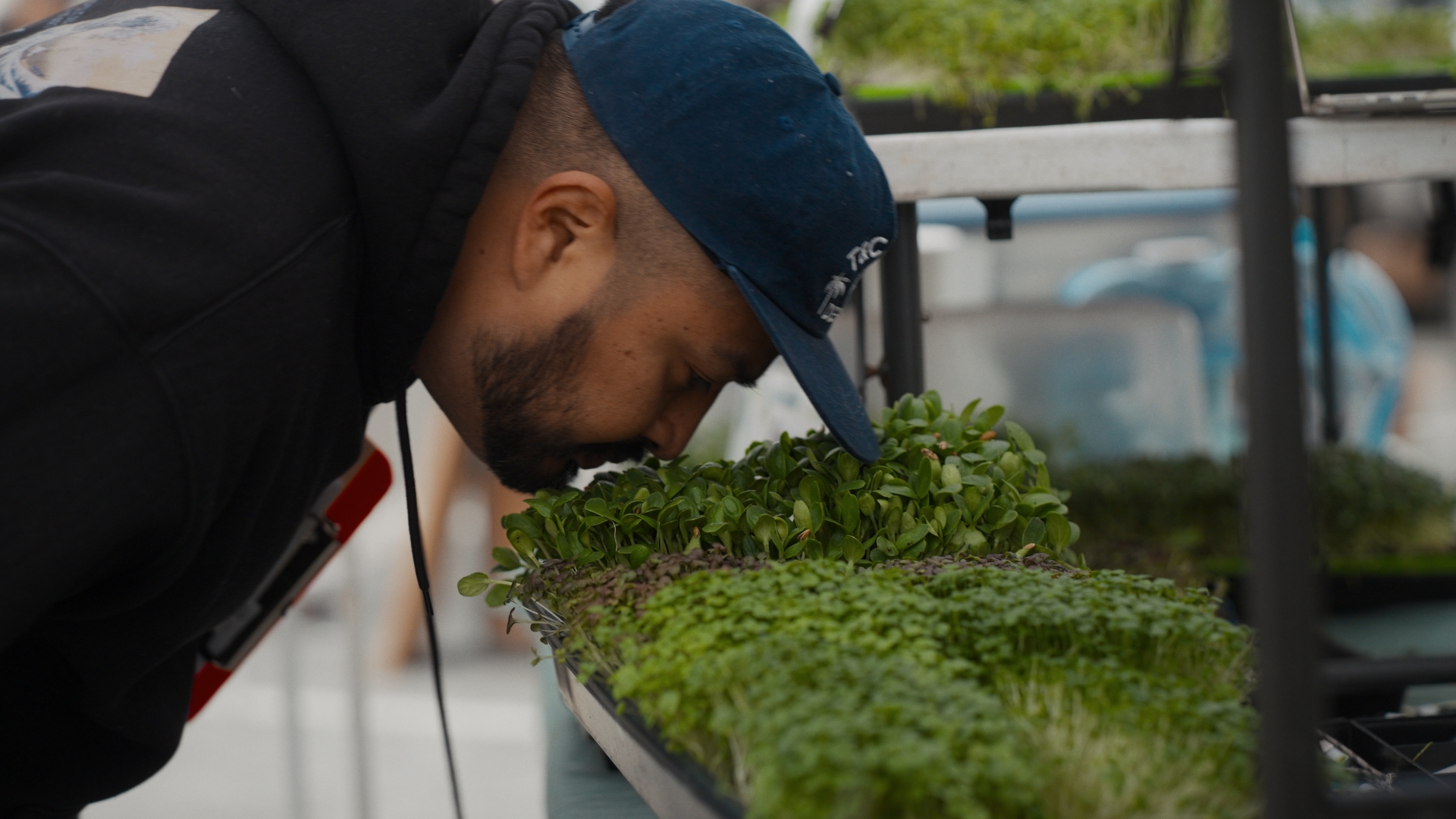
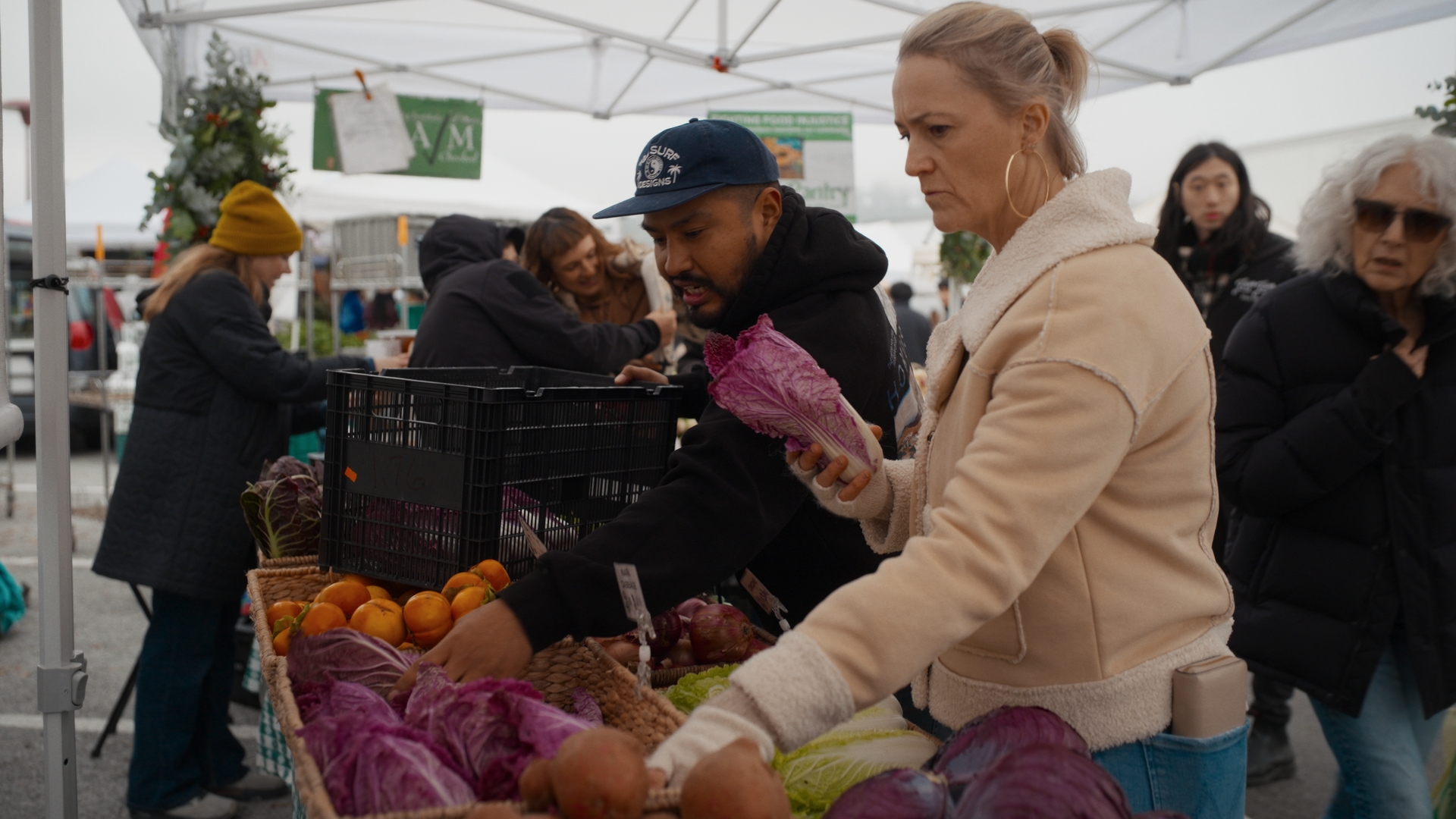
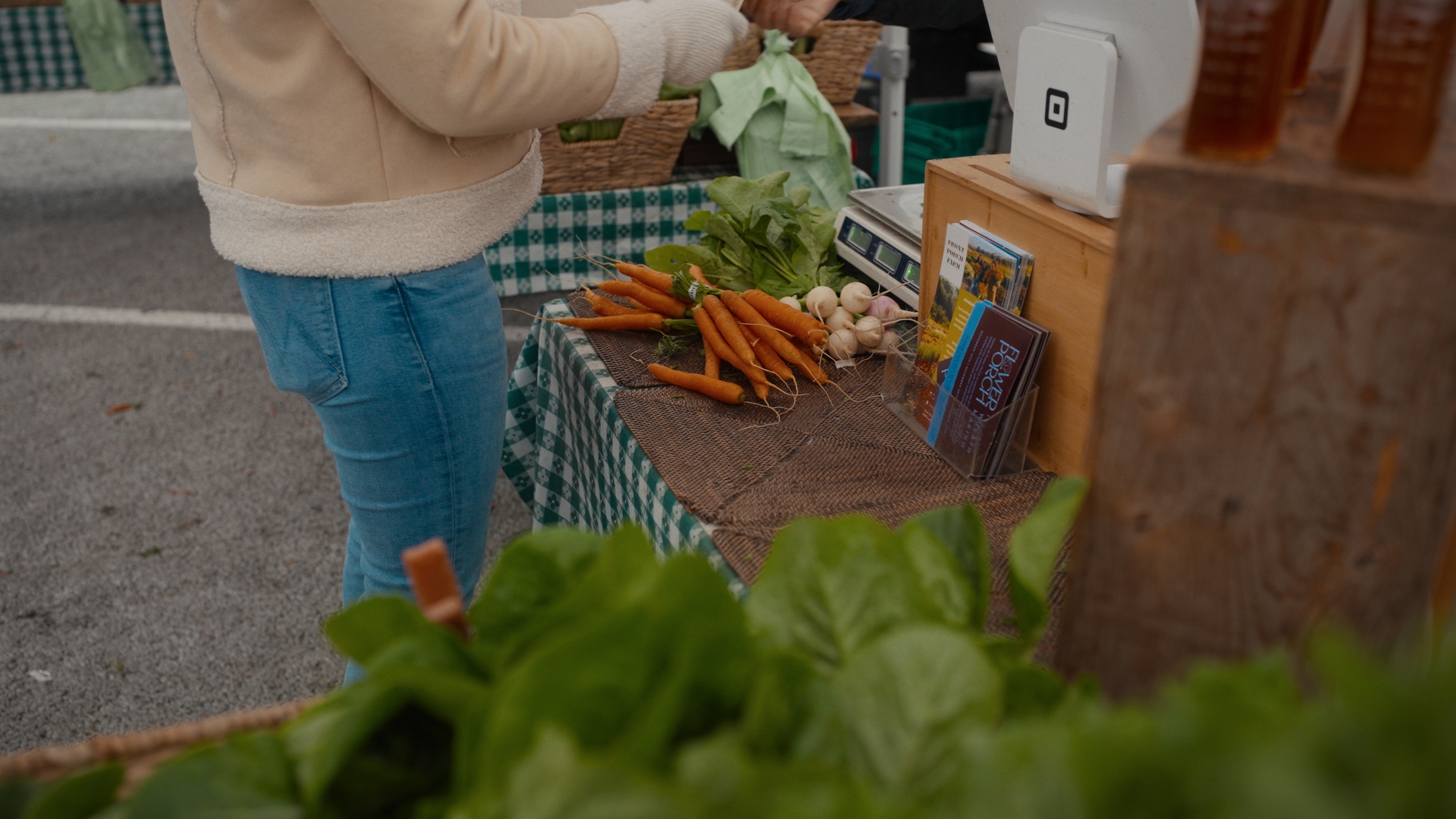
Act 2 follows Sarah, Bill (RT Bistro Chef de Cuisine), and Dexter (Rich Table Chef de Cuisine) to the Marin farmers market. Sarah's personality shines here. The sourcing relationships, the conversations with vendors, the way each restaurant reflects where she and Evan are in their lives. This act answers the question of why they keep opening restaurants.
Act 3 is the test. Plating sessions at Bistro, prep that mirrors Act 1, and then opening night. The same values, a new space. The audience sees whether the guest-first philosophy holds.
Two deliverables will come from this material: a six-minute hero piece for OpenTable's partner marketing and a ten-to-twelve minute director's cut for festival consideration. We're building the longer version first and carving the hero from it.
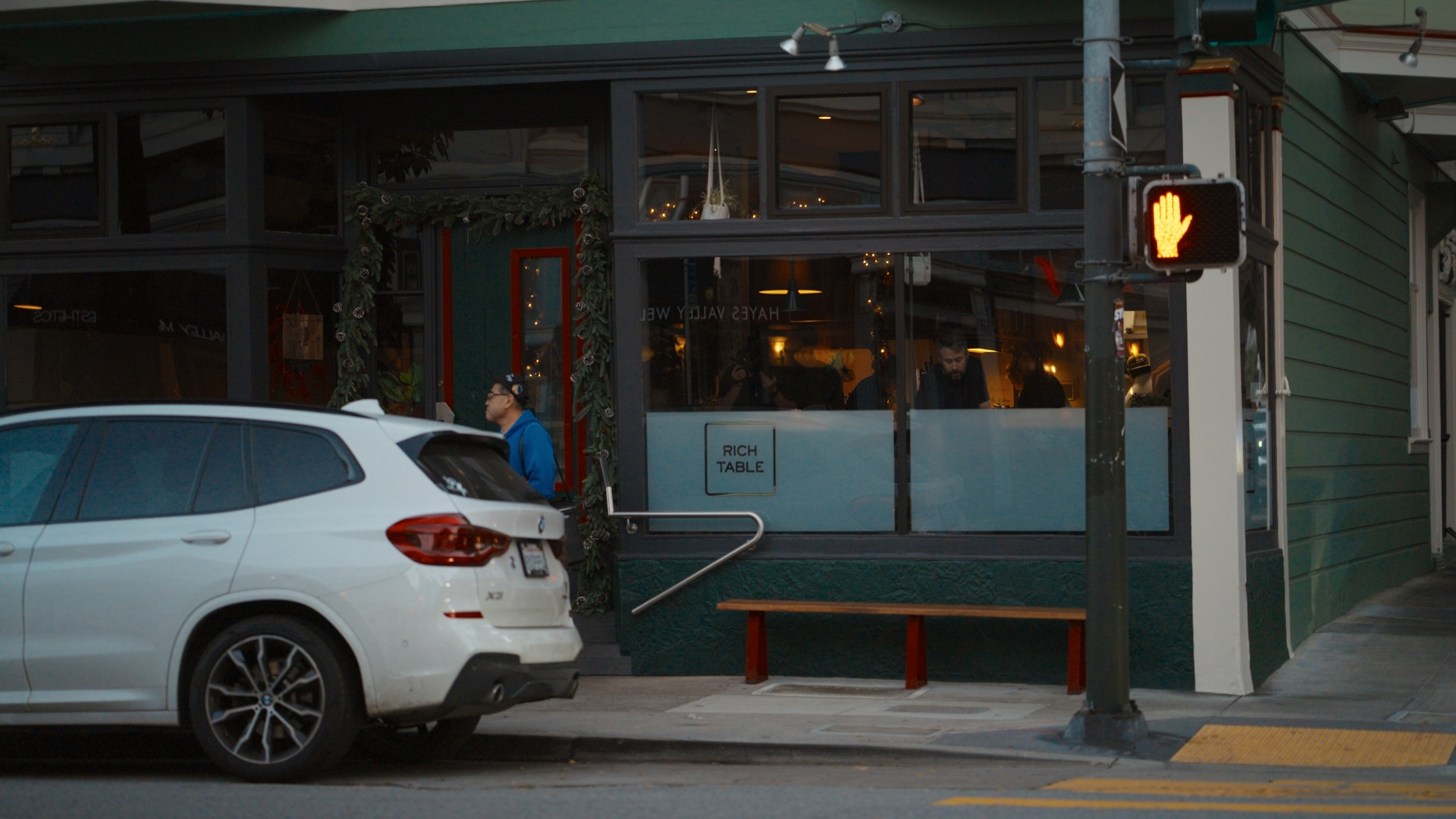
The film is in final delivery. Distribution is in progress. Graphite, OpenTable, and Rich Table's PR team are currently working through rollout strategy together.
Early viewers said it doesn't feel like an ad. That's the point.
The most useful thing a brand can do with documentary content is get out of the way. Audiences watch it because they want to. Restaurant operators watch it and recognize their own kitchens. Diners watch it and want a reservation. That's not marketing doing its job. That's a story doing its job, and marketing benefiting from it.
For OpenTable, this film works on two levels. It gives them something genuinely watchable to put in front of restaurant partners: proof that the technology supports the kind of hospitality that built Rich Table's reputation over fourteen years. And it gives them a story their audience will actually share, not scroll past.
The deliverables reflect that logic:
One shoot. One story. Material that keeps working.
Production Company: Graphite Productions
Producer, Director, Editor: Colt Bradley
Director of Photography: Rob Gourley, Tommy Beal
Sound: Myriam Boisselle
Production Coordinators: Ally Williams, Pri Suryaneni